Single Vendor E-Commerce — Microservices Architecture

About this Project
A scalable, niche-agnostic e-commerce engine built on a microservices backend.
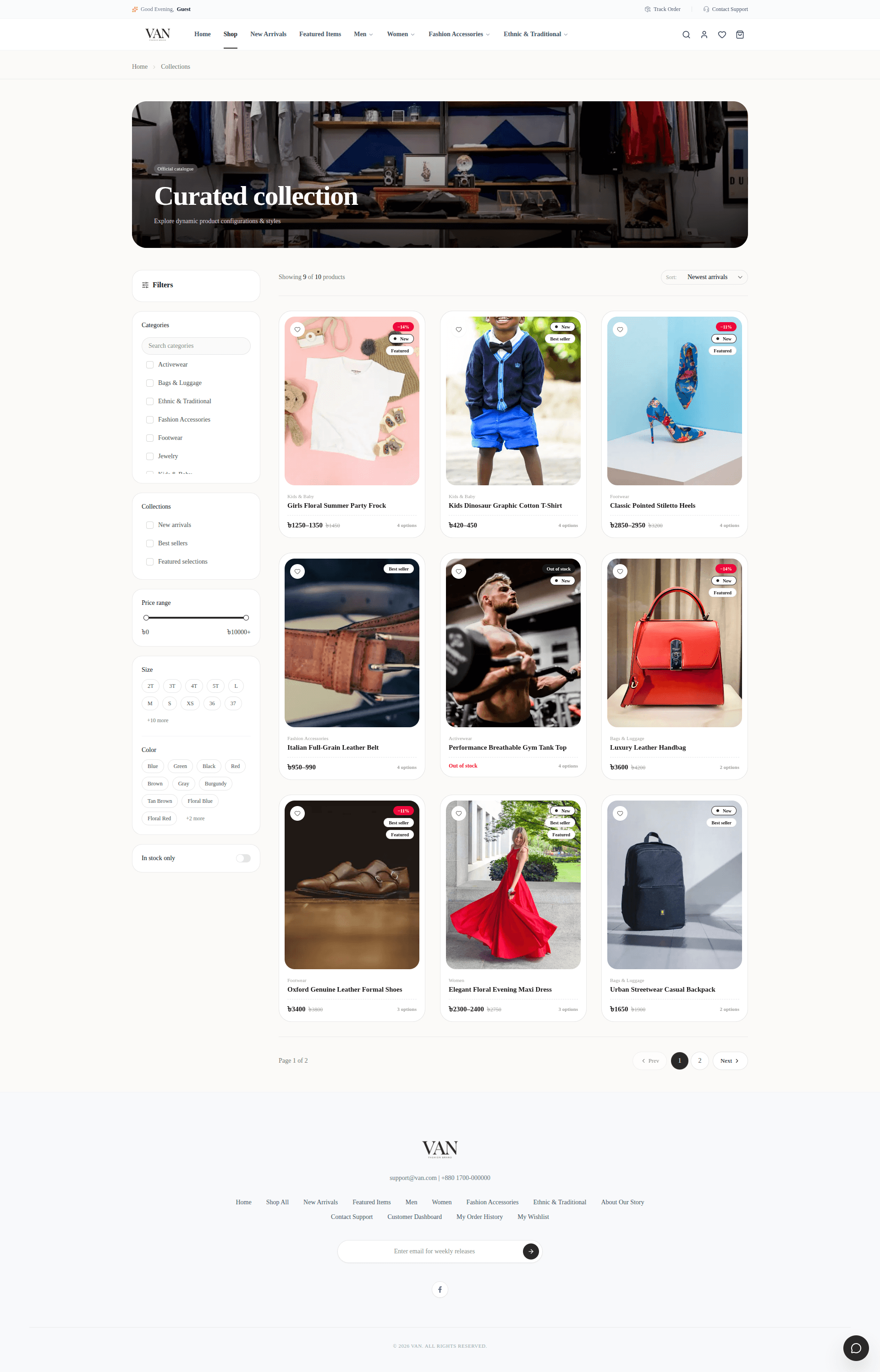
This project is a single-vendor e-commerce platform designed not for one specific niche, but as a reusable commerce engine — flexible enough to power a fashion store, an electronics shop, a beauty brand, or a grocery business, all with the same underlying architecture.
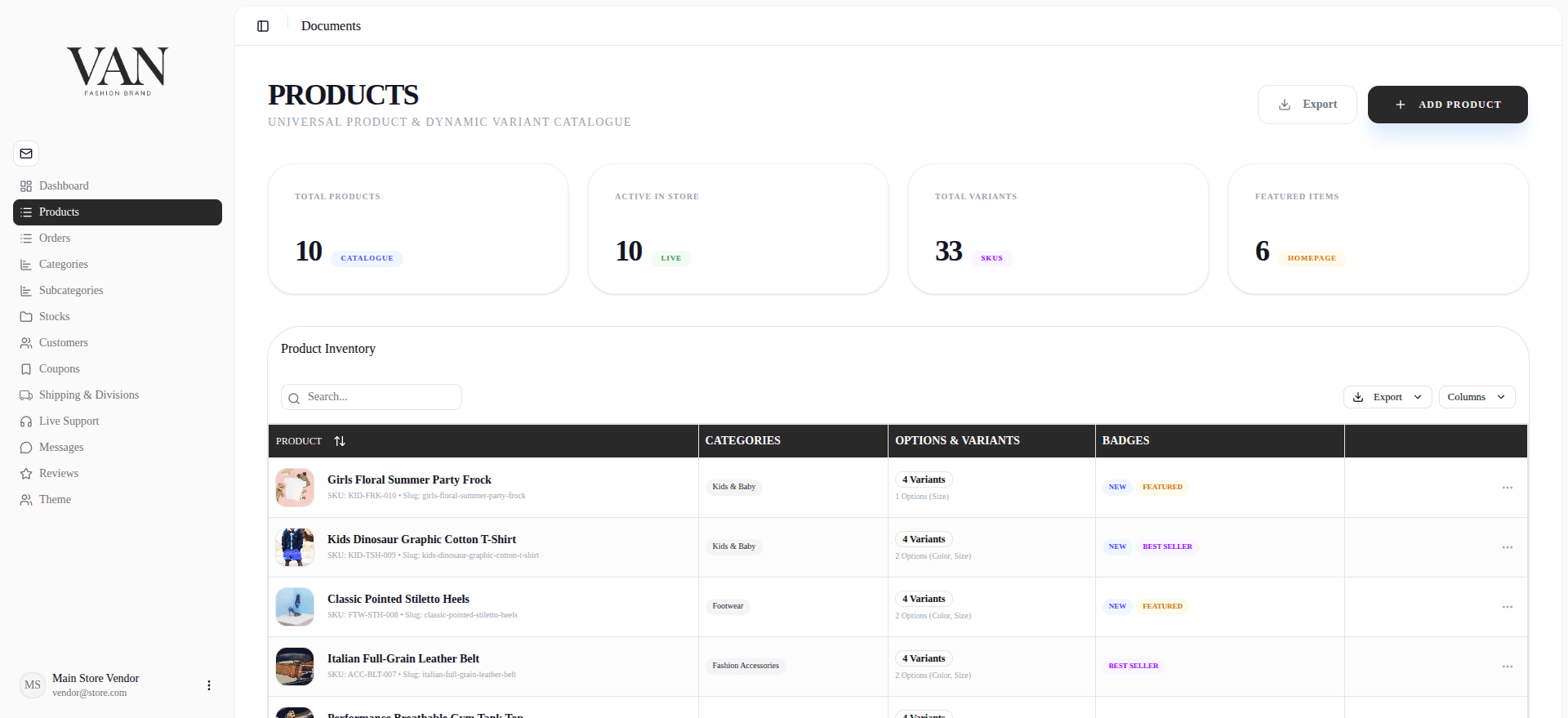
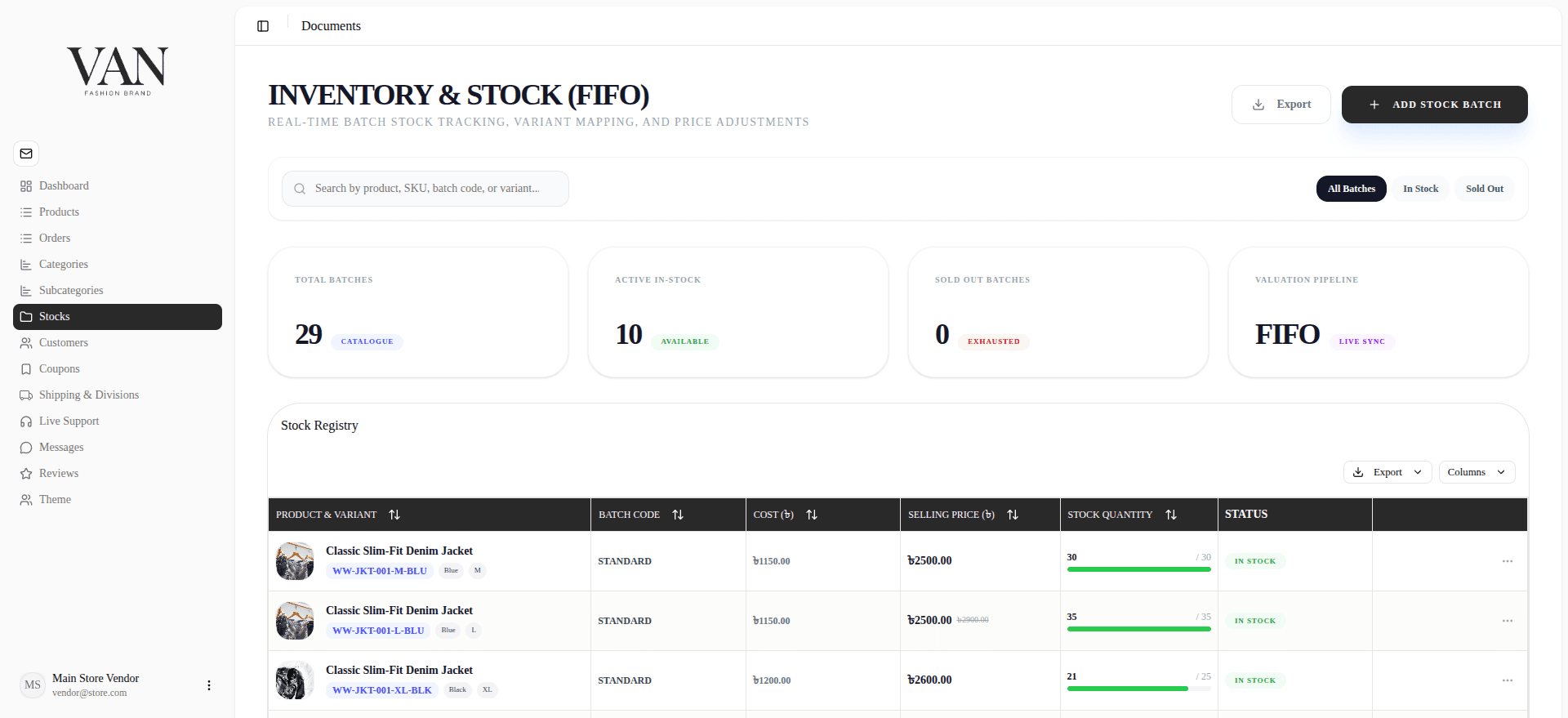
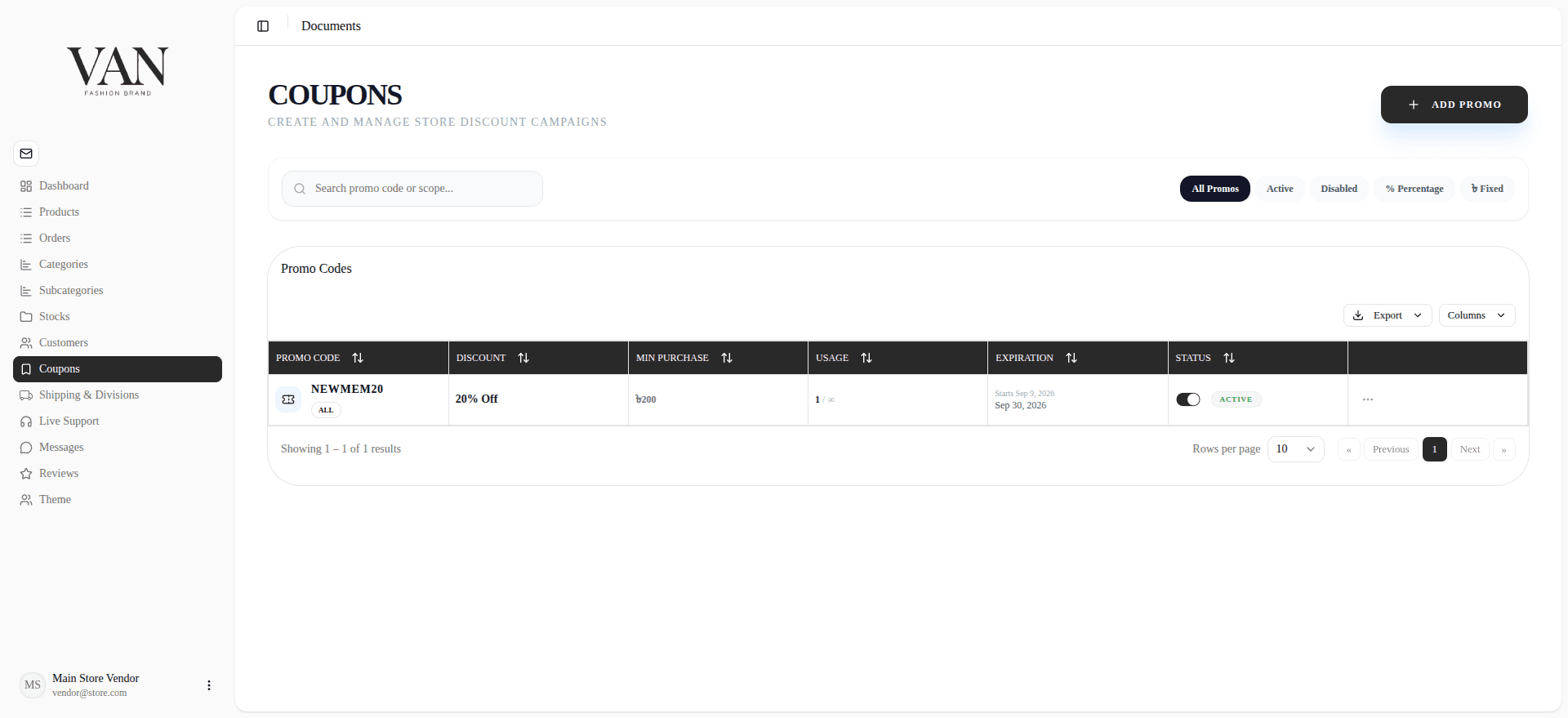
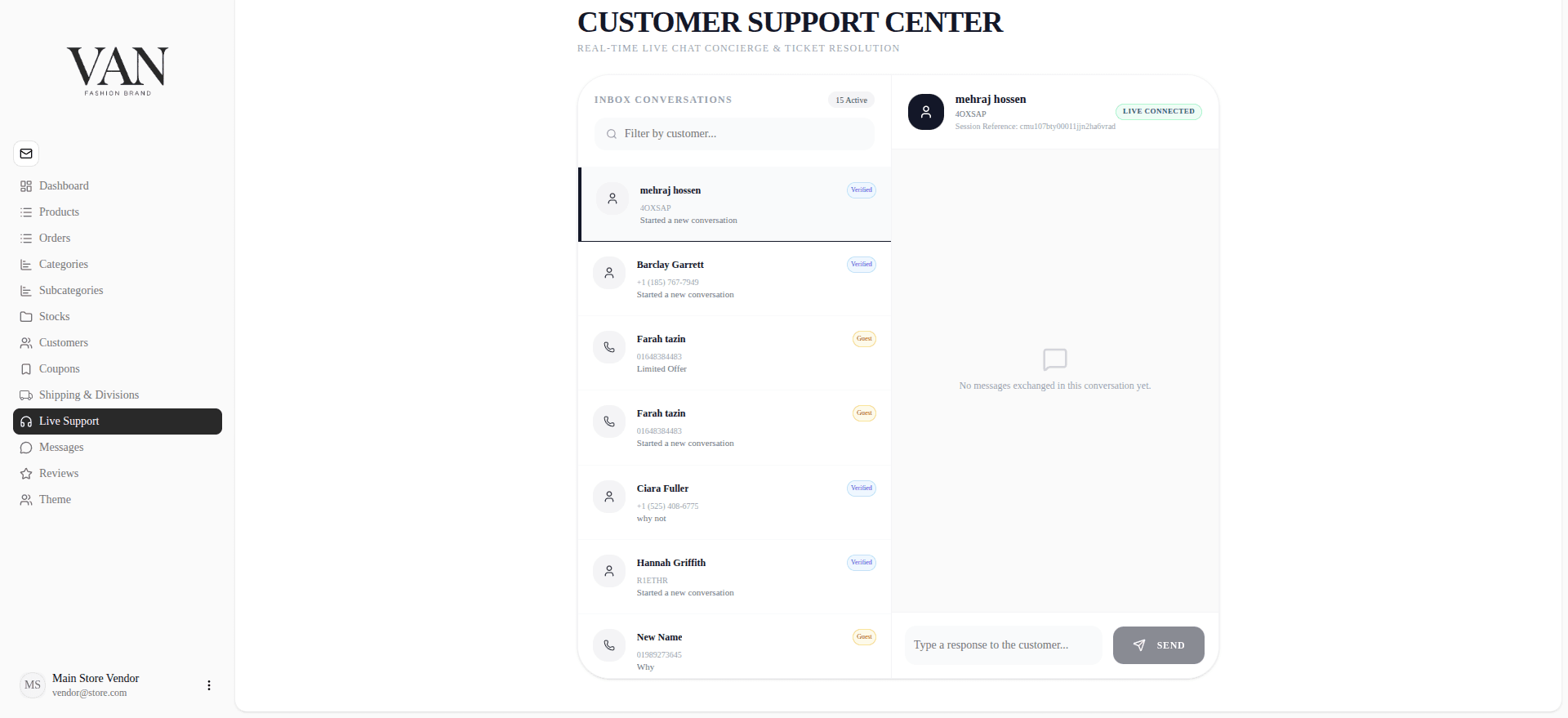
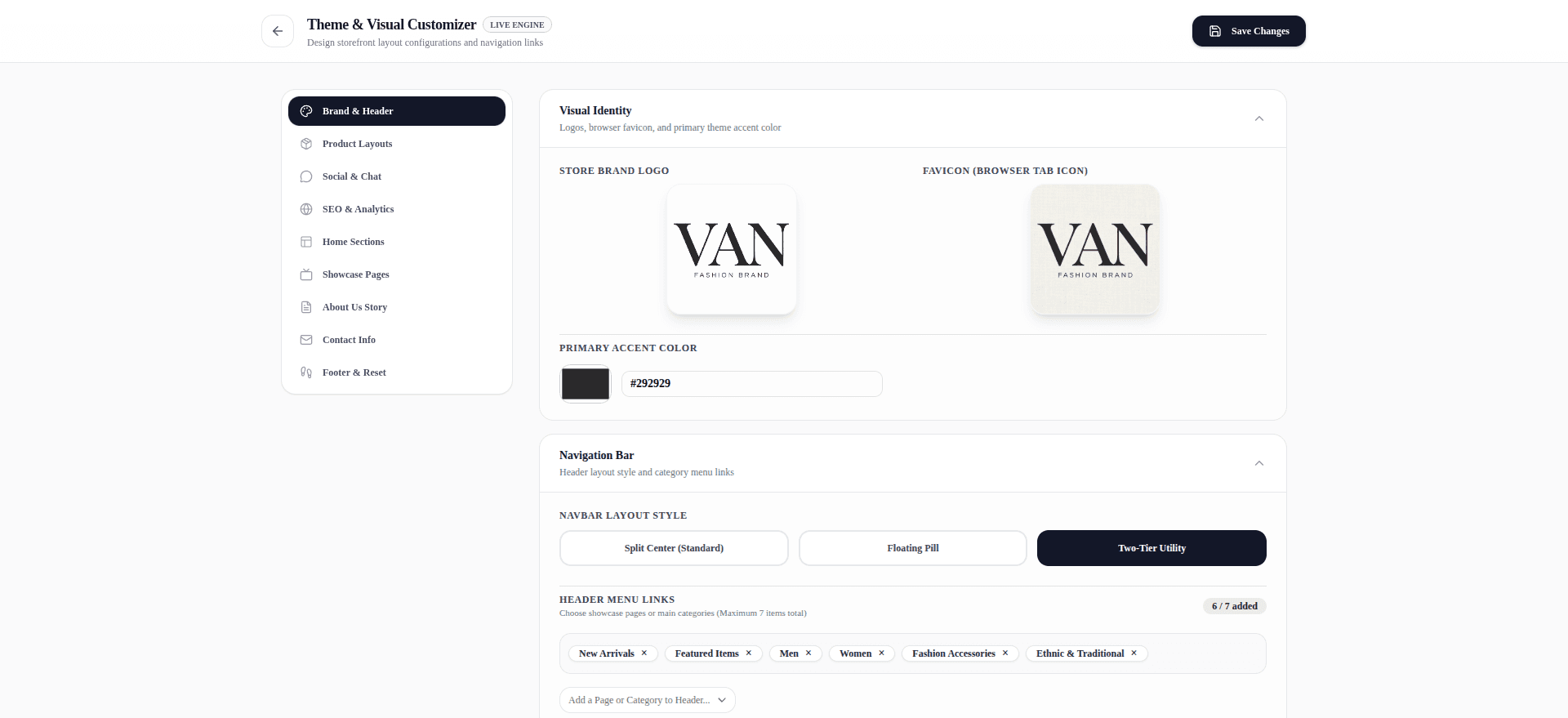
The core focus wasn't just "build an online store" — it was build a scalable, service-oriented system that could grow without collapsing under its own complexity. A typical monolithic e-commerce app works fine at small scale, but breaks down when: Product catalog logic starts mixing with cart/session logic Inventory updates need to stay consistent under order load Different teams need to work on different domains independently So instead, I split the backend into independent, purpose-built services, connected through an API Gateway. Customer Experience Product browsing, search, and detail pages Redis-powered cart for fast, session-based shopping Full checkout and order flow Authenticated customer accounts Store Management Product creation and inventory tracking Order management and sales monitoring Admin-friendly dashboards Brand/storefront customization support Service isolation: Each domain (users, products, cart, orders, inventory) is independently deployable and scalable Redis for cart: Chosen for speed and to avoid unnecessary database writes during active shopping sessions Shared protocol definitions: Used for consistent internal service-to-service communication Docker Compose orchestration: For reproducible local development matching production topology This project was built to sharpen my understanding of distributed system design — service boundaries, inter-service communication, and building a backend that can genuinely scale, not just run.Why Microservices?
Backend Services
Core Features
Tech Stack
🧩 Key Engineering Decisions